The Call of Himalayas
The Himalayas are always calling. Many trekker dreams start here. From Annapurna Base Camp to Nar Phu Valley, the mountains talk. Big snow peaks, green forests, quiet rivers, and small villages—everything in one trek. Nepal is home to many treks. You find the Langtang Valley Trek, the Manaslu Circuit Trek, the Annapurna Base Camp Trek, and the hidden Nar Phu Valley Trek. Each trail is different. Each trail is special. You feel small. You feel alive. Trekking here is not just walking; it is a life lesson.
Annapurna Base Camp Trek: The Classic Adventure
Annapurna Base Camp Trek is very popular. Many tourists come every year. The trail starts from small villages like Nayapul or the Pokhara side. You walk through forests, rice fields, and rhododendrons. Some days short, some days are long. The air is thin but beautiful. Annapurna Base Camp itself is huge. Big snow mountains, glaciers, and sky-touching peaks. You see Machapuchare, Annapurna South, and many more. Tea houses along the way are simple but warm. People are friendly, and the food is tasty. The best seasons are October to December and March to May. Cold sometimes, but amazing sunrise from Poon Hill or base camp.
Walking here is an easy medium. You need good shoes. Backpack light. Heart happy. Breathe slowly. You meet many people, other trekkers, guides, and porters. They help. You learn about Nepal culture. You eat Dal Bhat. You sleep in a small room with a small heater. At night the stars are bright. You feel small. You feel big.
Nar Phu Valley Trek: The Hidden Gem
Nar Phu Valley Trek is secret. There are very few tourists. Trekkers go for challenges and adventures. Nar and Phu are two villages. Old Tibetan culture, stone houses, and mani walls. Cold here, high altitude. You need a permit from the government. The trail was tough, with long days walking, narrow paths. But mountains around, untouched, silent. Ice rivers, deep gorges, snow peaks. Best time April to October. Difficult but unforgettable. You feel like an explorer. Real adventure.
The valley is small, and the people are kind. The monastery is old, and the prayer flags colorful. You walk slowly, breathe slowly. Porters help. You sleep in a village. Food local, simple. You talk little Nepali, little English. Life here is very slow. Time stops. Mountains alive.
Langtang Valley Trek: The Nature Lover’s Trail
Langtang Valley Trek is beautiful for nature lovers. Forest green, river white, mountain snow. It starts from Syabrubesi, a small town near Kathmandu. The trail climbs slowly. You see waterfalls, wild animals sometimes, and yak herders. Langtang village, beautiful, peaceful. You see Langtang Lirung peak. Glacier near. Tea houses are small and warm. The local people, the Tamang, are very friendly.
This trek is not very hard; it is of medium difficulty. Good for beginners also. Autumn and spring are best. You meet shepherds, learn local culture, and smell herbs. Night is cold, but stars shine. Morning fresh. Trekking in Langtang feels calm and peaceful.
Manaslu Circuit Trek: The Remote Experience
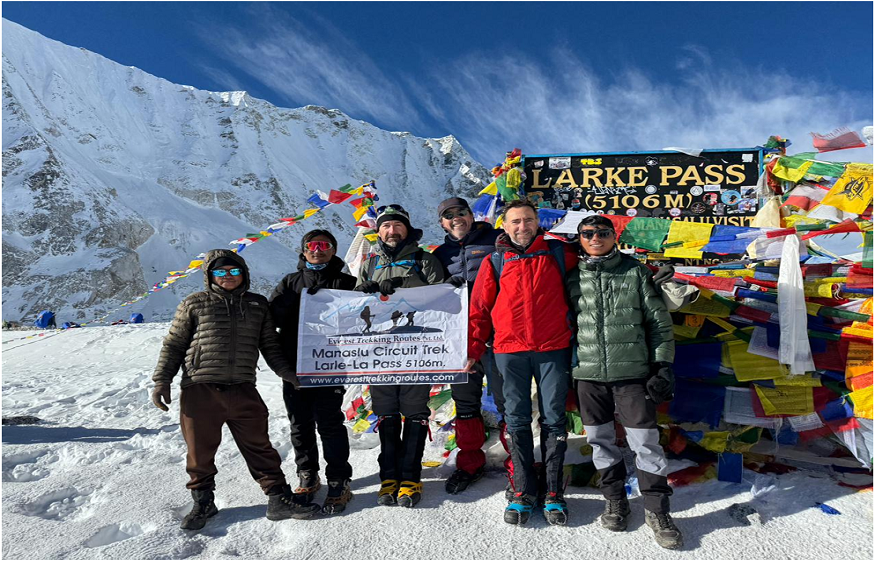
Manaslu Circuit Trek is famous for remote beauty. Eight thousand meter peaks around. Manaslu is a little touristy, mostly nature and culture. Start from Soti Khola and follow the Budhi Gandaki river. Trail long, days many. Crossing Larkya La pass high, 5106 m. Cold, snow sometimes. Trekking here requires stamina.
Villages along trails, small, stone houses, people kind. Monasteries, prayer flags, mani stones everywhere. You feel Tibetan culture. Tea houses are simple. Food Nepali, sometimes noodles, soup. Few people here, quiet, peaceful. Trekking Manaslu is for a brave, patient heart. Nature is big. You are small. Breath thin. Heart full.
Combining the Treks: The Ultimate Himalayan Experience
Imagine you walk the Annapurna Base Camp Trek first. Green, snow, teahouse nights. Then the Langtang Valley Trek. Forest, river, calm. Then the Manaslu Circuit Trek. Remote, high, challenging. Then Nar Phu Valley Trek. Secret, hidden, untouched. Different trails, different culture, same mountains. Nepal is a gift. You feel the journey is different for each trek. Some easy, some hard, some hidden.
Each trek teaches a lesson. Annapurna—beauty and easy access. Langtang—nature and calm. Manaslu—remote and tough. Nar Phu—hidden and secret. Combine in one trip? Adventure big, heart full. You see sunrise, sunset, stars, snow peaks, villages, rivers. You meet people, stories, and culture. You learn patience, walk slowly, and enjoy.
Best Time to Trek
Nepal’s best time is October to December and March to May. The weather is clear. Mountains shine. Trails open. Cold, yes, but manageable. Summer – monsoon heavy rain, trails slippery, landslide risk. Winter—very cold, high altitude; Nar Phu and Manaslu are tough. Spring—rhododendron flowers, color everywhere. Autumn—festivals, clear skies, bright sunsets.
Trekking Preparation: Gear and Safety
Trekking is not easy. Gear is important. The shoes are good and comfortable. Backpack light. Warm clothes, sleeping bag, gloves, and hat. Sunglasses, sunscreen, and a water bottle. Trekking poles help knees. Maps, guides, and permits are needed. Safety first. Some treks high altitude – know the symptoms of altitude sickness. Walk slowly, rest, drink water, and eat well. Porters and guides are helpful. They know trails, local culture, and emergency plans.
Food along trails is simple. Dal Bhat every day is common. Noodles, soup, and sometimes eggs. Tea house breakfast—bread, jam, and tea. Lunch—noodles, rice, dal. Dinner – similar. Simple, filling, warm.
Accommodation—tea houses, small hotels. Simple room, bed, blanket. Some electric, some not. Shower limited, water cold. Night cold, heater small. But the atmosphere is warm. You meet trekkers, share stories, laugh, and help each other.
Culture and Local Life
Nepal’s rich culture. Tibetan influence in Manaslu, Nar Phu, Langtang. Gurung and Magar in Annapurna. Monasteries, prayer flags, stupas everywhere. People are kind, smile always. Life is simple, slow. Farming, animals, festivals. You learn respect, patience, and culture. Walk around the village, talk, watch, learn. Photography is good. Memories stay.
Trekking Tips for Beginners
- Walk slowly, enjoy.
- Drink water, eat well.
- Listen to guide, trust porter.
- Prepare gear, shoes, warm clothes.
- Acclimatize for high altitude.
- Take small cash for tea houses.
- Pack light, leave a heavy bag in the hotel if possible.
- Respect local culture, don’t take photos without permission.
- Stay healthy, avoid cold drinks sometimes.
- Take photos, but live moments too.
Challenges of Trekking
Altitude sickness is possible. Cold weather, rain, and snow. The trail is slippery sometimes. Long days, heavy backpack. Remote area—Nar Phu, Manaslu—emergency help far. But challenge teaches strength, patience, and courage. Mind clear, heart full. Every step is worth it.
Conclusion: Why Trek Nepal
Trekking Nepal—adventure, culture, nature, challenge, learning. Annapurna Base Camp Trek—popular, beautiful. Langtang Valley Trek—nature, calm. Manaslu Circuit Trek—remote, challenging. Nar Phu Valley Trek—hidden, secret. Together—life-changing. You walk mountains, see villages, learn culture, meet people, and see sky, snow, and rivers. Heart happy, mind calm, body tired but proud. Trek Nepal—must do.
FAQS
Q1: Which trek is easiest for beginners?
A1: Langtang Valley Trek is easiest, Annapurna Base Camp is medium, and Manaslu and Nar Phu hard.
Q2: Do I need a guide for these treks?
A2: Yes, guide helpful, especially for Manaslu and Nar Phu because trails are remote and permits are needed.
Q3: What is the best season for trekking?
A3: October to December and March to May, clear skies, less rain, good temperature.
Q4: Are there accommodations along the trails?
A4: Yes, tea houses in all treks. Nar Phu and Manaslu are limited, so plan.
Q5: Is altitude sickness common?
A5: Possible in high altitudes like Manaslu and Nar Phu. Walk slowly, drink water, rest, acclimatize.